
Bank of England Holds Rates at 3.75%: What It Means for Property Investors
5 min read


If you are weighing up where to invest in Liverpool, the honest starting point is that the city is not one market but several, and rental demand is what separates the strong areas from the rest. This guide breaks Liverpool down by the demand behind each area, so you can match a purchase to real tenants rather than a postcode's reputation.
Jump to section:
Rental demand comes from people who need to live somewhere for work or study, and Liverpool has an unusually deep supply of both. The city has two large universities and a graduate retention rate of around 76 percent, so a big share of students stay on as working tenants after they finish. On top of that sits the Knowledge Quarter, a £1bn cluster of science, health and education employers that keeps pulling professionals into the centre.
That mix matters because it gives the city more than one reason to rent. Students, graduates, NHS and science staff, and city-centre professionals all draw on different parts of the market, so a dip in any one group does not empty the whole thing. For an investor, broad demand is what keeps voids short and rents firm, and it shows up in the headline numbers below.
Quick FAQ:
Q: Why is Liverpool's rental demand so resilient?
A: Because it comes from several sources at once: two universities, a high graduate retention rate, the Knowledge Quarter's science and health employers, and city-centre professionals. No single employer or sector carries the market, so demand holds up through the cycle.
Knowing where to invest in Liverpool is easier with the full picture in front of you. Our free Liverpool Property Investment Guide sets out our analysis of the regeneration projects and specific areas that work best for investors, alongside price context, an area-by-area breakdown and the latest available homes. Download it to see where the strongest demand sits before you commit.

Liverpool's average price is around £185,000, well below the England average of £293,000 in the year to June 2026 per the ONS, while the North West posted the highest house price inflation of any English region at 4.7 percent. That lower entry price is the foundation of the city's yields.
Average property price: Liverpool vs England
Year to June 2026, ONS
Liverpool: £185,000
England average: £293,000
Rents have been rising fast too, and the combination of a low entry price and strong rent gives Liverpool gross yields of around 6 to 7 percent, ahead of most of the North West and far ahead of the South. A typical Liverpool apartment costs far less than the England average while still commanding firm rent, which is exactly why the ratio between the two stacks up.
Quick FAQ:
Q: Why are Liverpool's rental yields higher than most UK cities?
A: Because the entry price is low relative to the rent. A typical Liverpool apartment costs far less than the England average, while strong student and professional demand keeps rents firm, so the gross yield lands around 6 to 7 percent.
The city centre and its fringes each pull a different kind of tenant. The areas below are the ones with the clearest, most repeatable demand, which is what protects an investor from voids.
Students, NHS and science staff around the universities and hospitals. A £1bn expansion keeps demand steady and broad, not tied to one employer.
Young professionals who want to walk to work and to nightlife. Deep, year-round demand for modern one and two-bed apartments.
Creative and digital workers drawn to the district's studios and venues. The new £100m Baltic station, opening by end of 2027, will lift connectivity further.
Liverpool Waters regeneration plus the new Everton stadium are reshaping the northern docks, adding visitor footfall and long-term renter demand.
Kensington, Smithdown and Wavertree deliver the highest gross yields through shared housing, but come with more management and higher turnover.
← swipe / scroll →
Each of those areas suits a different kind of investor, so the right choice depends on how hands-on you want to be and what you want the property to do. A modern city-centre or Knowledge Quarter apartment leans towards steady, professional tenants and lighter management. The student belt trades that ease for a higher headline yield. Waterfront regeneration is a longer-term play on an area still being reshaped.
Investor takeaway
The safest demand is broad-based. An area that draws students, professionals and visitors at once weathers voids far better than one that leans on a single employer or a single university term.
Quick FAQ:
Q: Which Liverpool area is best for a hands-off investor?
A: A modern city-centre or Knowledge Quarter apartment usually suits a hands-off investor best. It draws professional tenants on longer tenancies, which means less turnover and lighter management than the higher-yielding student belt.
Rothmore sends fresh UK property investment opportunities straight to your inbox: off-market deals, exclusive offers and access to new-launch projects. Be the first to know, every week.
Register for weekly updates here

Yield alone does not tell you where to invest in Liverpool. The student belt shows the highest headline yields, but those come with more wear, more voids over the summer and heavier management, so the net figure is often closer to a well-let city-centre apartment than the gross numbers suggest. The disciplined approach is to weigh gross yield against how steady the demand is and how much work the property needs.
The strongest long-term positions tend to be quality apartments in areas with more than one demand driver: jobs, students and amenity together. Those areas hold tenants through the cycle and are the first to benefit as regeneration lands. Buy on genuine, broad demand today and let the city's growth add to it, rather than chasing the single highest yield on a spreadsheet.
Quick FAQ:
Q: Is Liverpool a good place to invest in 2026?
A: It stacks up well on the fundamentals: a low entry price, gross yields around 6 to 7 percent, strong student and professional demand, and major regeneration underway. As always, the right area and property matter more than the city name, so match the purchase to real tenant demand.
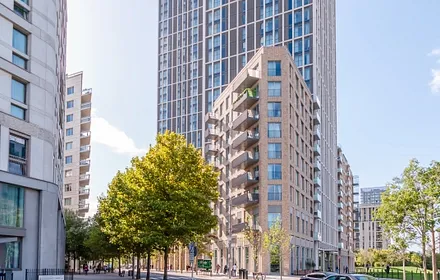
A new-build development in Liverpool's Knowledge Quarter, close to the universities and city-centre employers, Abbey Row offers modern apartments built for the city's strong student and professional renter base. It suits investors who want broad, year-round demand rather than a single-driver location.
The bigger picture matters, three related pieces:
Fresh UK property market updates for investors: regeneration, yields, tax rules and monthly rental data, all in one hub. Read the latest here.

Frequently Asked Questions
Common questions on where to invest in Liverpool, from yields and prices to the areas with the strongest rental demand. Here is what investors ask most.
There is no single best area; it depends on your strategy. The Knowledge Quarter and city centre suit hands-off investors after steady professional demand, while the student belt offers the highest gross yields with more management. Match the area to the tenant you want, not to a postcode's reputation.
Liverpool typically offers gross rental yields of around 6 to 7 percent, ahead of most of the North West and well above southern cities. The student belt can look higher on paper, but heavier management and summer voids often bring the net figure closer to a well-let city-centre apartment.
Liverpool's average property price is around £185,000 as of June 2026, well below the England average of £293,000, according to the ONS. That lower entry price, combined with firm rents, is what gives the city its strong yields.
Liverpool scores well on the fundamentals: a low entry price, gross yields of around 6 to 7 percent, deep student and professional demand, and major regeneration underway. As with any market, the right area and property matter more than the city name.
The Knowledge Quarter, city centre and Ropewalks, Baltic Triangle, and the waterfront and North Docks all show broad, repeatable demand. The student belt around Kensington, Smithdown and Wavertree delivers the highest gross yields through shared housing.
Whether you're an investor or a homeowner, Rothmore Property provides expert guidance, market insights, and tailored solutions to support your property purchase.
Gain insights into property market trends, economic growth, and rental demand.

Rothmore specialises in connecting clients with the UK’s finest new-build developments.
Discover your property’s value with Rothmore. Our expert valuation services provide accurate assessments to support your next move.

Rothmore specialises in connecting clients with the UK’s finest new-build developments.